
We’re Building a Connected Future Along the Alaska South Coast

A Future Where People, Culture, and The Land Thrive Together.
ASCP is a network of community leaders and partners across South Central Alaska working together to strengthen resilience in the Sugpiaq/Alutiiq and Eyak homelands. Guided by Indigenous and Rural values, we connect people, ideas, and resources to build thriving communities and a shared, sustainable future.
Mission Statement
We enhance community resilience across the Sugpiaq/Alutiiq
and Eyak homeland through collaborative partnerships.
Serving our Sugpiaq /Alutiiq Homelands

Use the map below to learn more about the communities we serve.
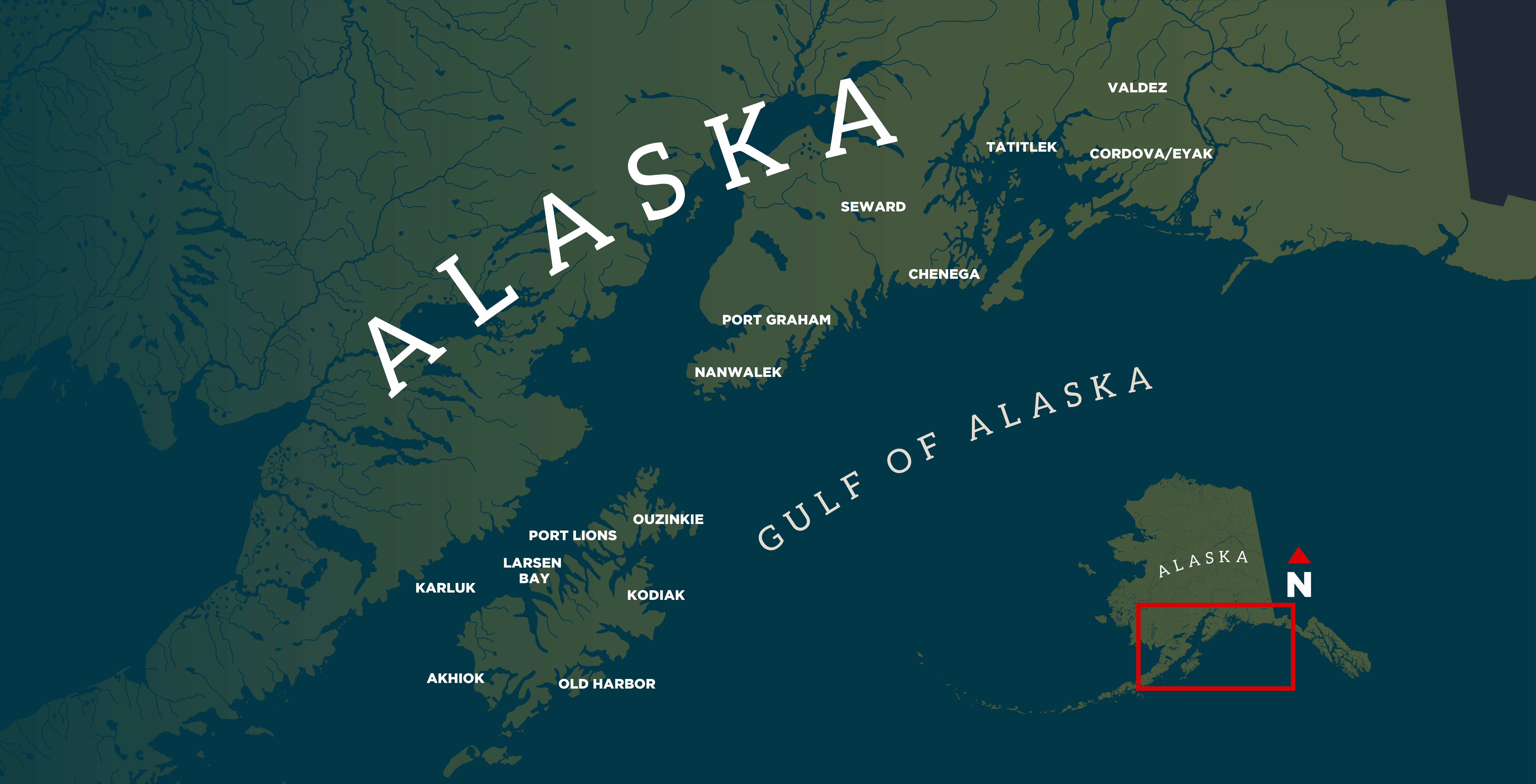
Learn More About the Communities That We Serve
Chenega
Cordova/Eyak
Karluk
Kodiak
Larsen Bay
Nanwalek
Old Harbor
Ouzinkie
Port Graham
Port Lions
Seward
Tatitlek
Valdez
The Future We’re Building

The Alaska South Coast Partnership (ASCP) was created in response to Tribal communities in Southcentral Alaska calling for a regional network that could connect and strengthen resilience efforts. ASCP’s network thrives on relationships, shared purpose, and open communication. We take collective action guided by Indigenous and rural values and driven by the voices and priorities of the communities we serve.
We are supported by Chugach Regional Resources Commission (CRRC), Kodiak Archipelago Leadership Institute (KALI), and Kodiak Area Native Association (KANA)— and include a variety of additional partners ranging from Tribal governments and Native corporations to local experts and small businesses. By joining ASCP, you’re helping build a more connected and joyful future for our region.
Vision
Statement
We envision a future that is equitable, prosperous,
and deeply rooted in reciprocity, well-being, and joy.
In this Future

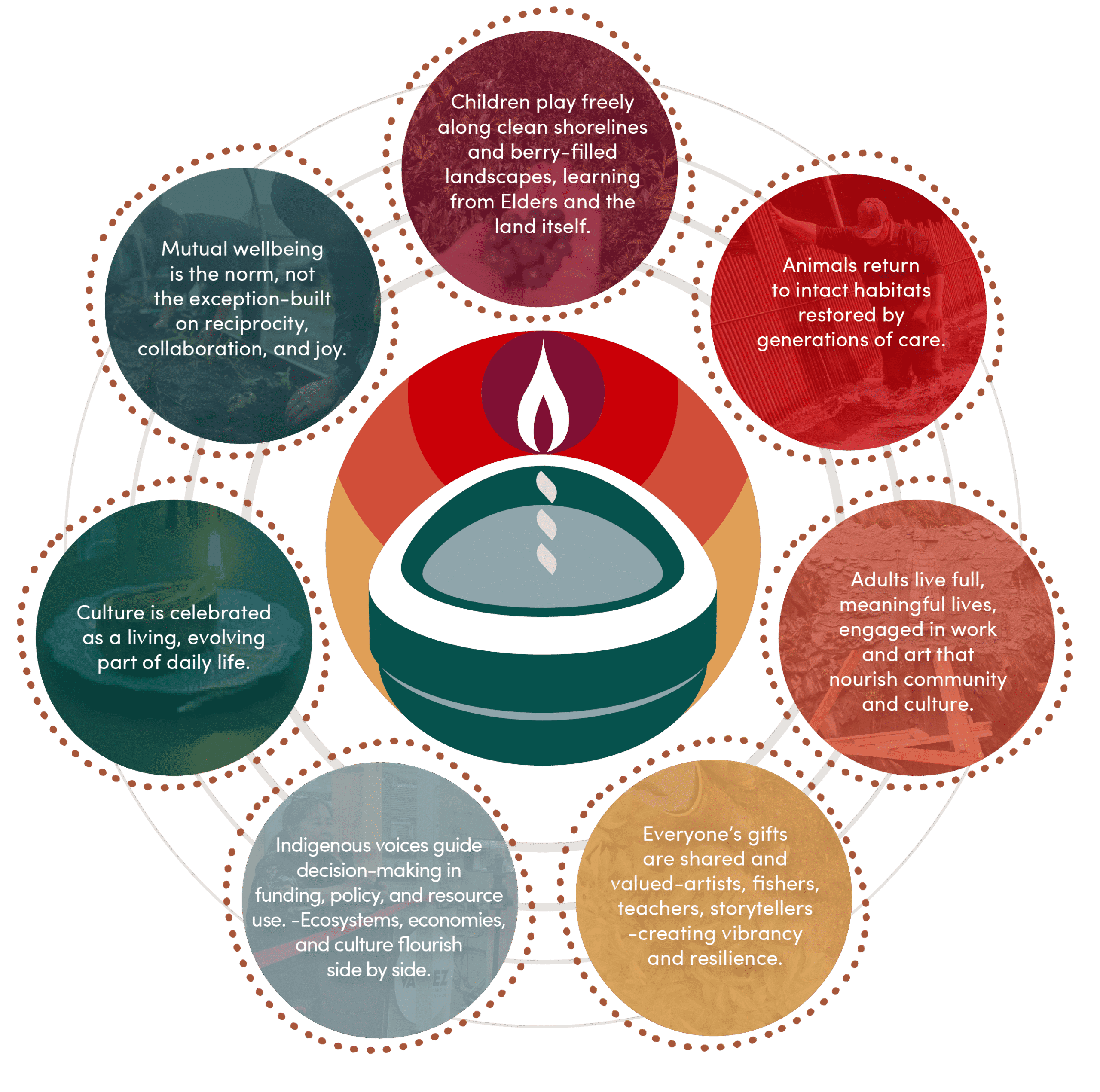
This is the world we are building: a network of thriving,
self-determined communities rooted in place, connected in purpose,
and unified by a vision of shared abundance.
Catalyst Stories
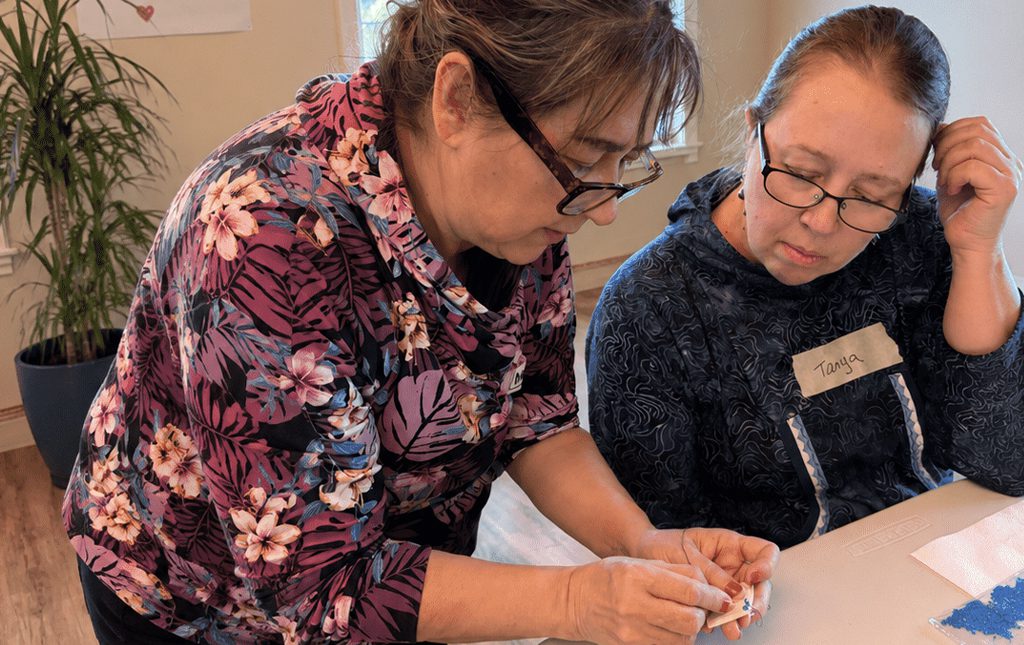
Passing Culture Forward Through Hands-On Arts
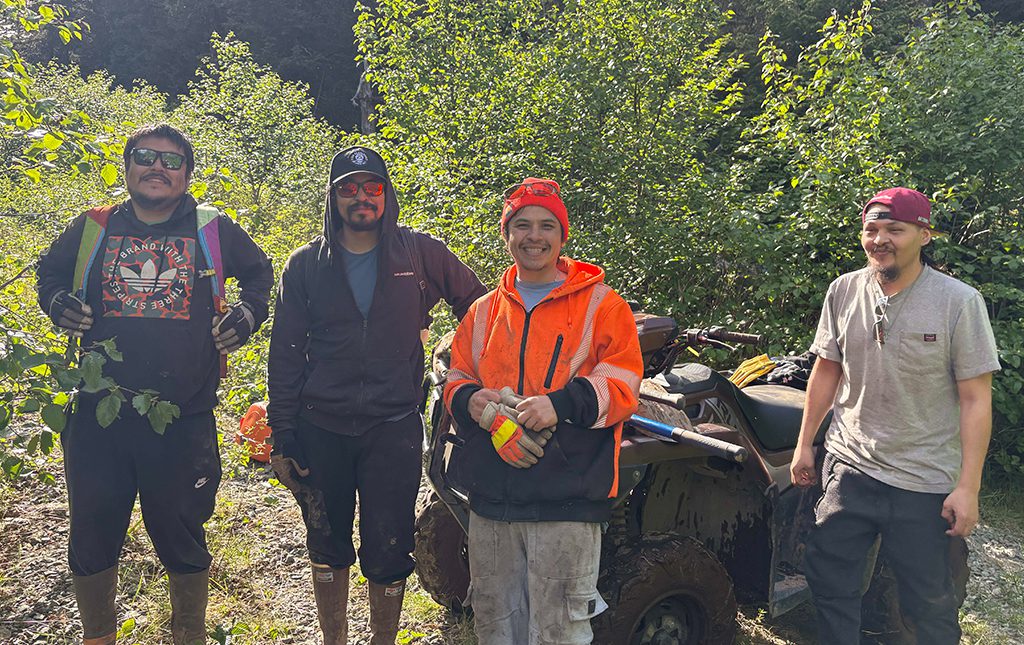
Community-Led Restoration Begins on the Koyuktolik Trail in Nanwalek
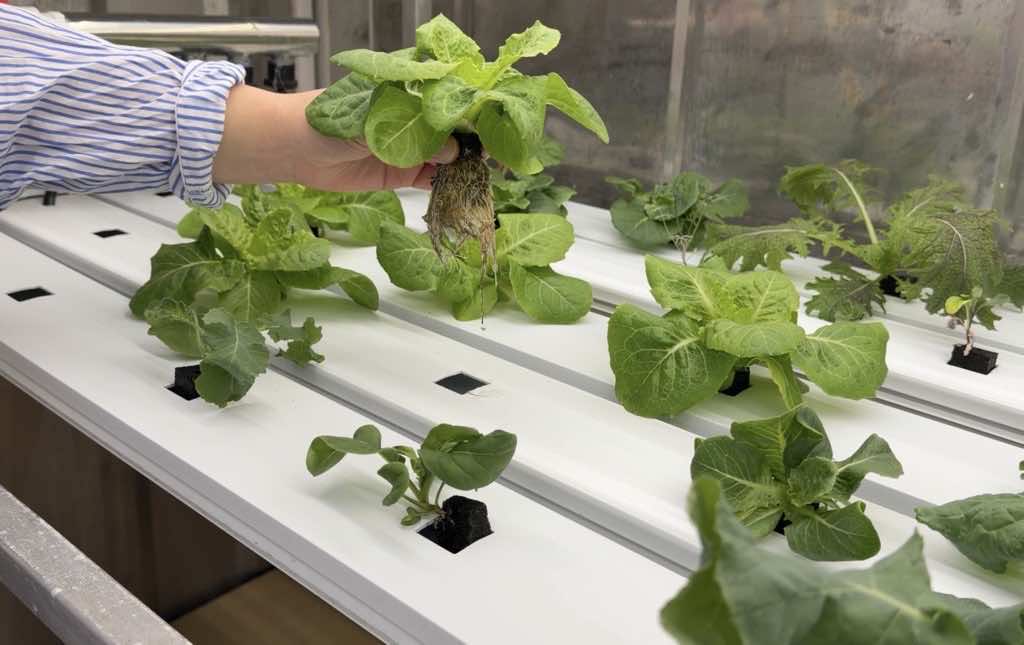
Building Resilient Food Systems Through Shared Knowledge
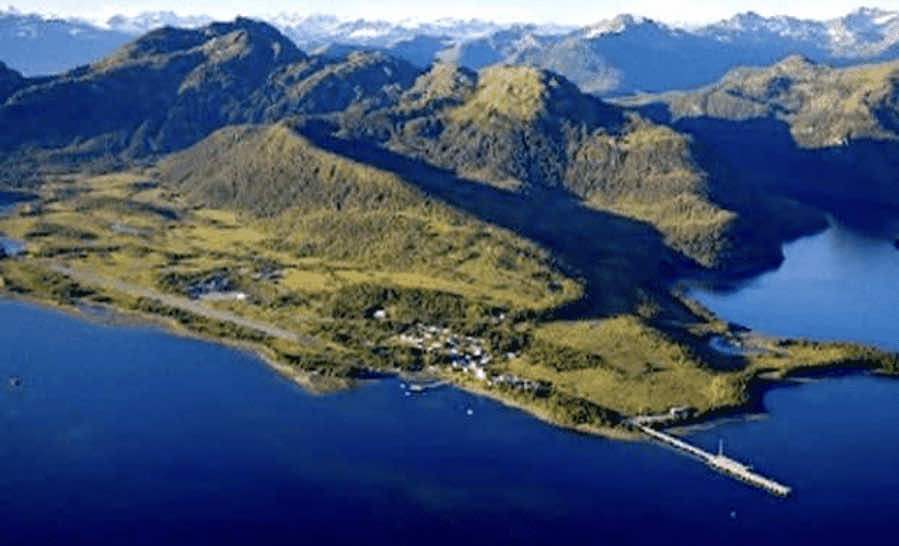
Tatitlek
Tatitlek is an Alutiiq/Sugpiaq village located along the western edge of Prince William Sound, surrounded by rich marine waters, fjords, and coastal rainforest. The community maintains strong cultural traditions grounded in subsistence fishing, hunting, and gathering.
Generations of ecological knowledge continue to guide relationships with land and sea, reinforcing cultural continuity and place-based identity.
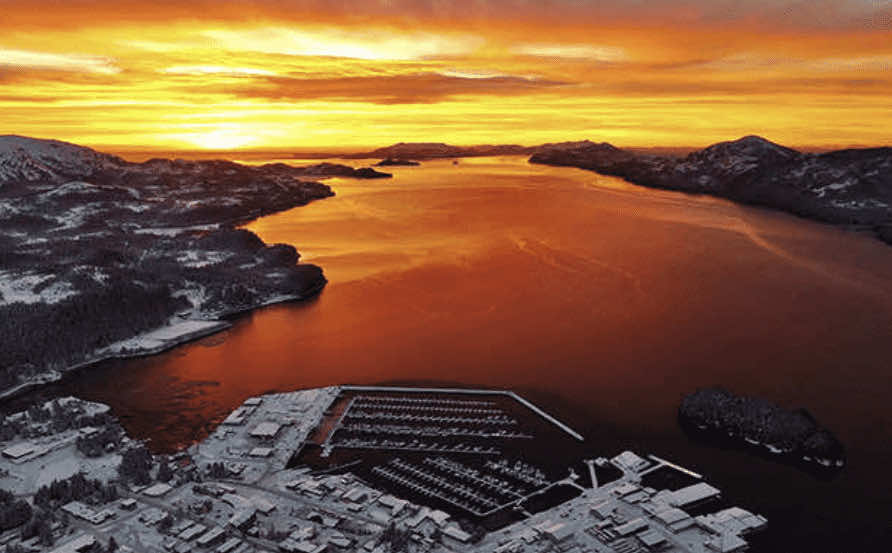
Cordova (Eyak)
Cordova, located near the Copper River Delta, is home to the Native Village of Eyak and is one of the larger communities in the Chugach region. The area is known for its abundant fisheries, particularly the Copper River salmon runs that support both subsistence and commercial livelihoods.
Cordova has strong traditions of environmental stewardship and community leadership shaped by long-term engagement in fisheries management and habitat protection.
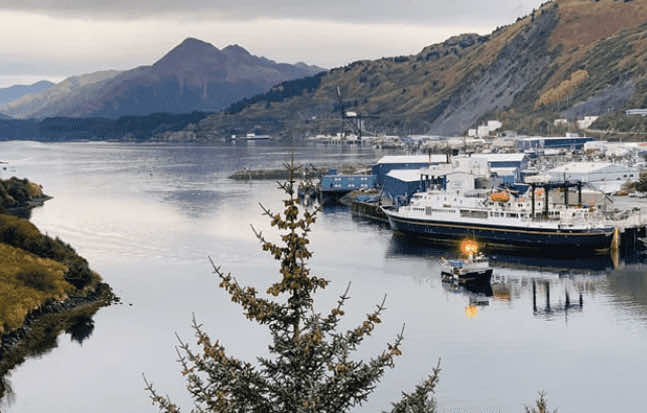
Kodiak
Kodiak is the regional hub of the Kodiak Archipelago and the largest community in the region, serving as a primary center for transportation, healthcare, education, and economic activity. Located on the northeastern coast of Kodiak Island, it supports a network of surrounding rural villages.
The community has deep Alutiiq/Sugpiaq cultural roots, with thousands of years of Indigenous presence shaping relationships to land and sea. Today, Kodiak maintains strong subsistence traditions alongside one of the most productive commercial fishing economies in the United States, supported by a diverse and well-established local economy.
Kodiak functions as a regional center for services, workforce opportunities, and infrastructure, while remaining closely connected to surrounding island communities through shared cultural and economic ties.
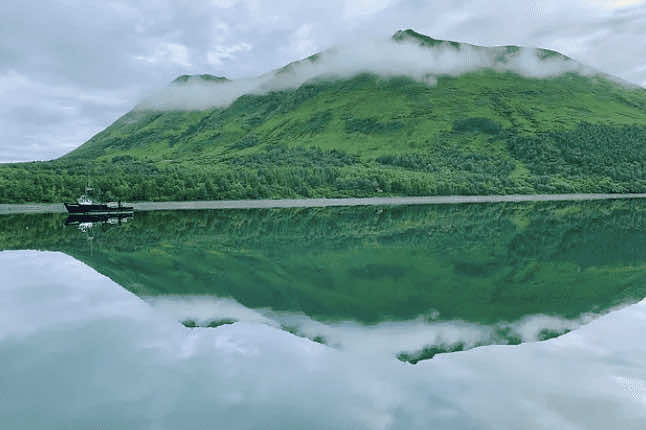
Larsen Bay
Larsen Bay is a coastal Alutiiq/Sugpiaq community on the northwest side of Kodiak Island, where subsistence practices such as fishing, hunting, and gathering remain central to daily life and cultural identity.
The community is defined by strong intergenerational knowledge of marine and terrestrial ecosystems and close relationships that support collective well-being and stewardship of local resources.
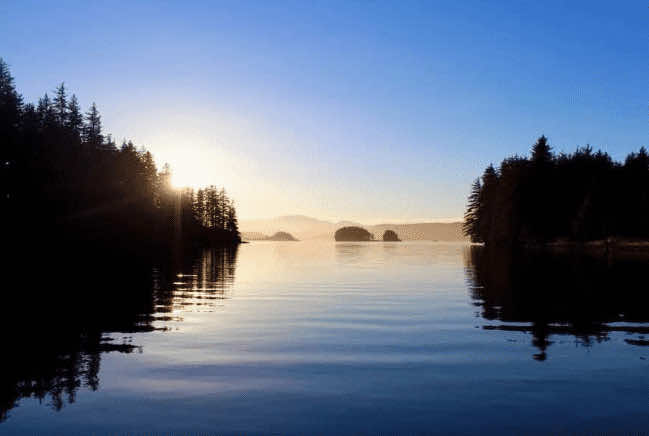
Ouzinkie
Ouzinkie is an Alutiiq/Sugpiaq community located on Spruce Island near Kodiak Island, surrounded by dense coastal rainforest and abundant marine ecosystems. Subsistence practices remain central to community life, including fishing, gathering, and stewardship of land and sea.
The community maintains a strong cultural identity and continues to engage in both traditional resource use and emerging marine-based practices, including kelp and other forms of mariculture.
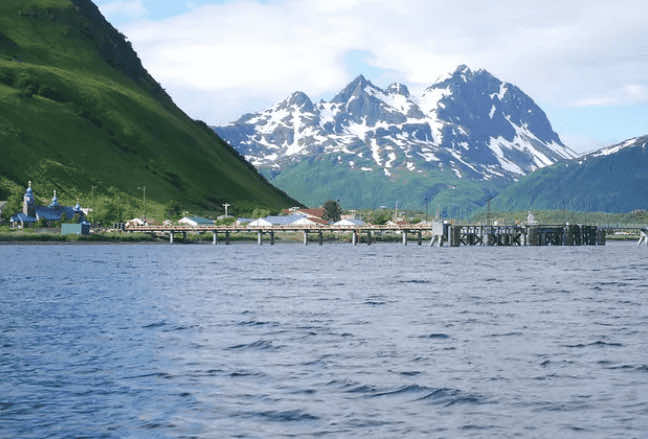
Old Harbor
Old Harbor is one of the oldest continuously inhabited Alutiiq/Sugpiaq communities in the Kodiak Archipelago, located on the southeast coast of Kodiak Island. The community reflects deep cultural continuity shaped by subsistence living, Russian Orthodox heritage, and enduring connections to land and sea.
Generations of knowledge in fishing, hunting, and gathering continue to guide community life and sustain strong intergenerational relationships and cultural identity.
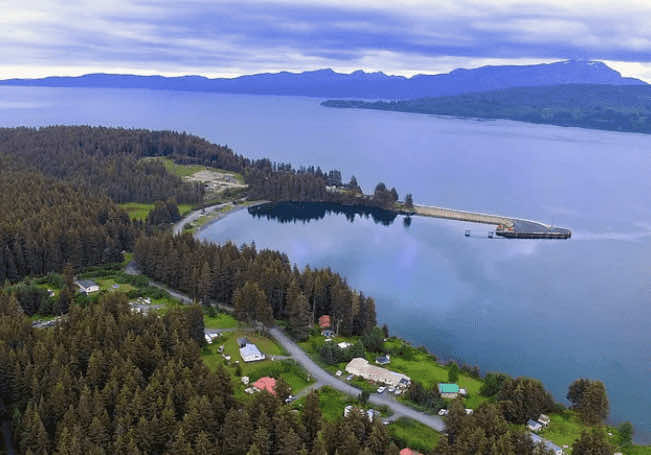
Port Lions
Port Lions is a coastal Alutiiq/Sugpiaq community on Kodiak Island that was established following the relocation of residents from Afognak Island after the 1964 earthquake and tsunami. This history continues to shape a strong sense of identity rooted in resilience and continuity.
The community maintains close ties to subsistence practices and marine resources, with strong social networks and cultural traditions that support daily life and intergenerational connection.
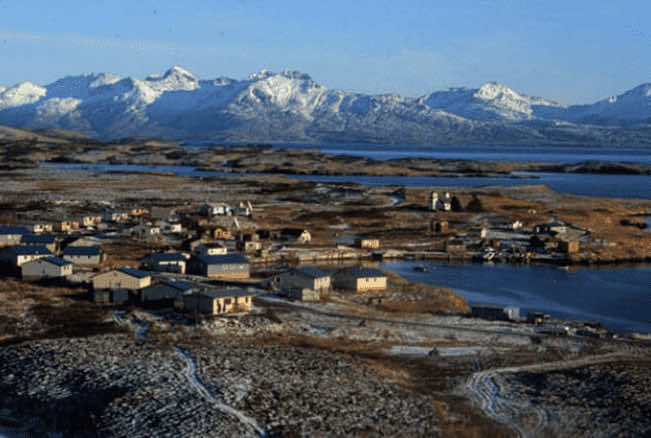
Akhiok
Akhiok is a remote Alutiiq/Sugpiaq community located on the southern coast of Kodiak Island, where tundra landscapes meet rugged coastline and highly productive marine ecosystems. Subsistence practices remain central to community life, particularly fishing, hunting, and gathering.
The community is grounded in deep ecological knowledge and strong cultural continuity, with daily life closely connected to seasonal cycles and the surrounding environment.
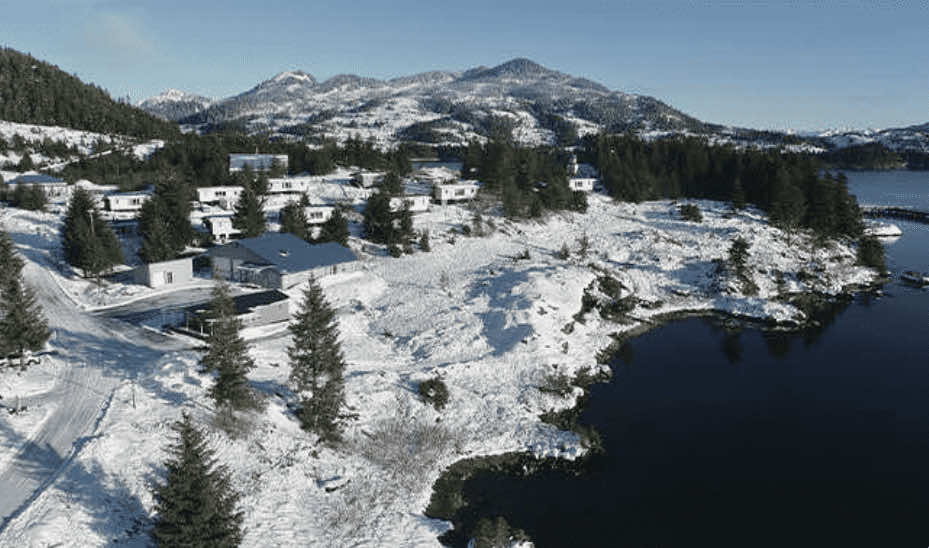
Chenega Bay
Chenega Bay is a remote coastal Alutiiq/Sugpiaq community in Prince William Sound, established after the original village of Chenega was destroyed in the 1964 earthquake and tsunami. The community reflects a strong continuity of cultural identity rooted in relocation, adaptation, and rebuilding.
Subsistence practices—including fishing, marine harvesting, and land-based gathering—remain central to daily life and cultural continuity.
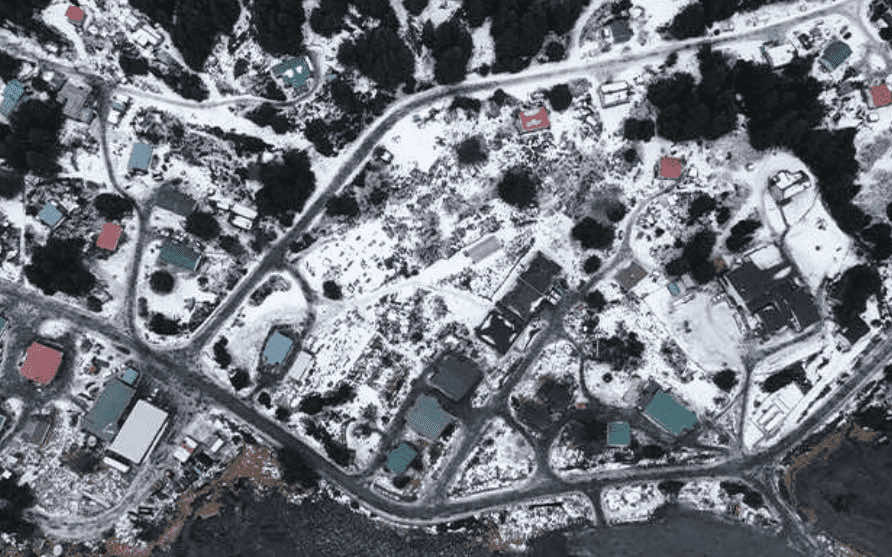
Nanwalek (English Bay)
Nanwalek, located on the southern Kenai Peninsula along Cook Inlet, is one of the oldest continuously inhabited Alutiiq/Sugpiaq communities in the region. The community maintains strong linguistic and cultural traditions, including ongoing use and revitalization of the Alutiiq language.
Subsistence remains central to community life, with fishing and marine harvesting supporting both food systems and cultural continuity.
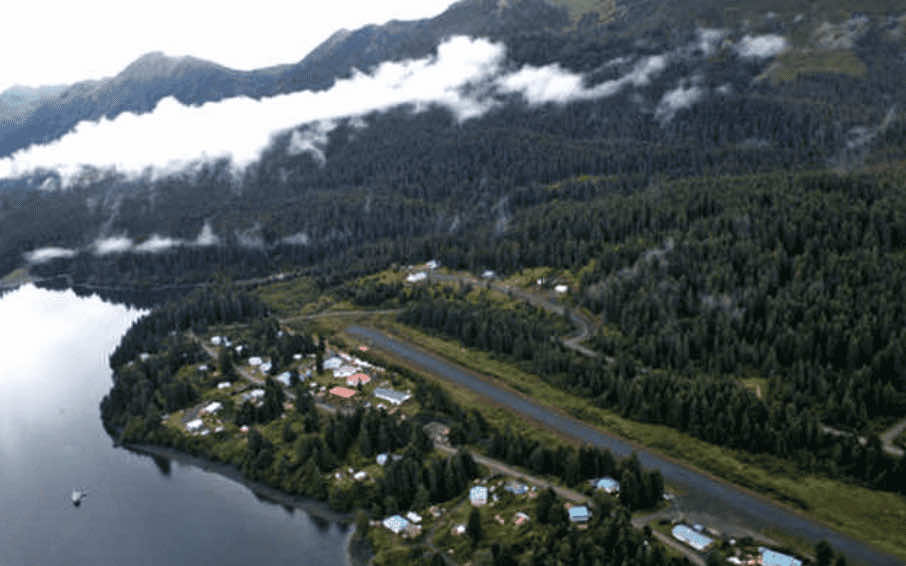
Port Graham (Paluwik)
Port Graham, also known as Paluwik, is an Alutiiq/Sugpiaq community located near the southern tip of the Kenai Peninsula. The community is closely connected culturally and geographically to Nanwalek, sharing deep historical and linguistic ties.
Subsistence practices remain central to community life, with marine resources providing both sustenance and cultural grounding.
Seward (Qutekcak)
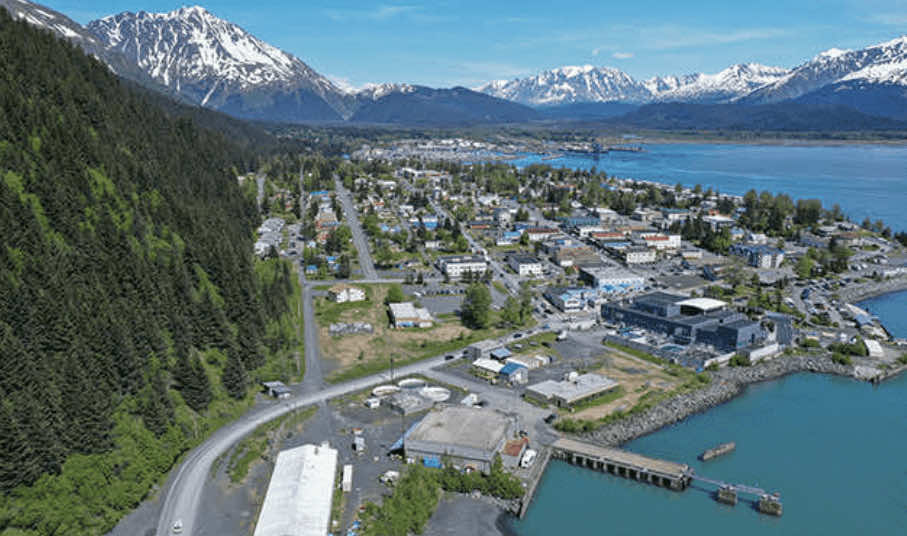
Seward, known traditionally as Qutekcak, is a key coastal community on the Kenai Peninsula and an important gateway to the Chugach region and Kenai Fjords. The community has long-standing Alutiiq/Sugpiaq roots alongside its role as a regional hub for commerce, transportation, and marine activity.
Seward supports a strong connection to ocean-based livelihoods, including fisheries, research, and marine tourism.
Valdez
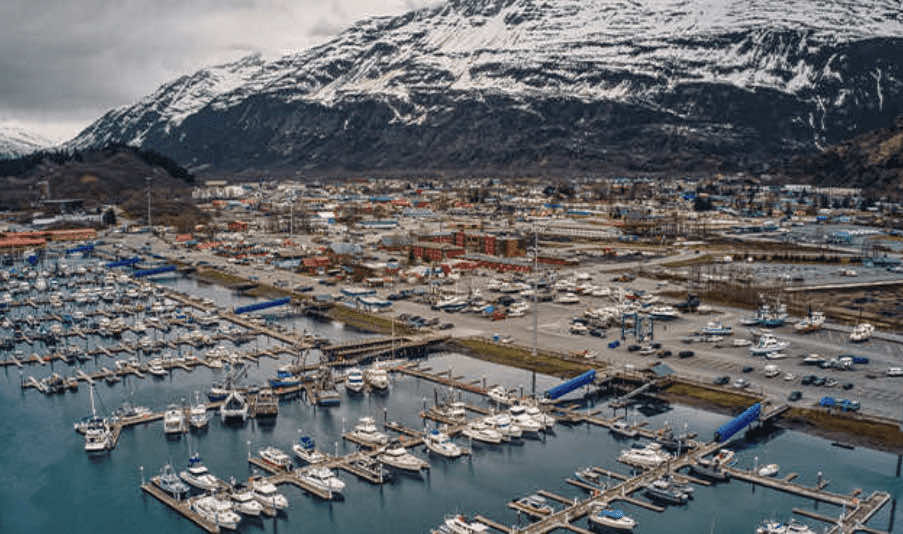
Valdez is a coastal community located at the head of Prince William Sound and serves as an important regional port and transportation hub. The community includes the Valdez Native Tribe, which maintains cultural and subsistence ties to surrounding lands and waters.
Valdez is shaped by its location within a dramatic fjord system and its longstanding relationship to marine environments, fisheries, and regional transportation networks.